

In the rapidly evolving world of online streaming, Twitch has emerged as a dominant platform for gamers, artists, and content creators to display their skills. As broadcasts come and go, the temporary nature of live broadcasting raises a vital question: how do content creators and viewers alike retain these engaging moments for the long term? With the right tools and strategies, you can quickly record, download, and archive Twitch streams, VODs, clips, and highlights, ensuring that your cherished content isn't gone for good.
If you are a streamer looking to build an impressive portfolio or a fan wanting to relive notable moments, comprehending the optimal methods for capturing and organizing Twitch content across different platforms is important. This comprehensive guide will provide you with useful tips on capturing Twitch streams on Mac and Windows, automating the download of clips, and efficiently storing your archives. With the right approach, you can maintain high-quality recordings while also considering key legal issues. Be ready to boost your content preservation efforts and sustain your cherished Twitch memories intact.
Capturing Techniques for Twitch Streams
To effectively capture Twitch.tv streams, it is essential to select the right approach based on your operating system and needs. For PC clients, specialized software like Open Broadcaster Software or Streamlabs OBS is popular for its versatility and high-quality recording features. These programs allow you to capture your broadcast with configurable settings for quality and data rate, ensuring that the final product meets your quality requirements. Mac clients can similarly rely on Open Broadcaster Software or use other options like QuickTime Player, which offers a simple screen recording tool for recording Twitch content.
Smartphone recording is also a viable option for those who broadcast on the move. Applications designed for screen recording on iOS and Google devices will allow you to capture Twitch broadcasts directly from your mobile device. StreamRecorder clip downloader offer options for modifying recording settings, ensuring that you can maintain a balanced compromise between video quality and file size. This adaptability can be especially useful for recording unexpected moments while broadcasting from various places.
Irrespective of the approach you select, it is crucial to think about the organization and archiving of your recorded content. Establishing a clear folder structure for your Twitch.tv captures will help you organize your files efficiently. You should also take into account the legal aspects of capturing Twitch.tv streams, including copyright concerns and usage guidelines. Taking these elements into account will allow you to protect valuable material while ensuring adherence with platform rules.
Downloading and Saving Videos on Demand and Clips
In terms of preserving your Twitch content, downloading and archiving VODs and clips is important. Initially is to utilize the built-in features on Twitch that enable you to store your streams as Videos on Demand. By navigating into your Creator Dashboard, you can activate the setting to automatically archive past broadcasts. For instant access, you can also manually retrieve your VODs straight from the Video Producer section after your stream concludes.
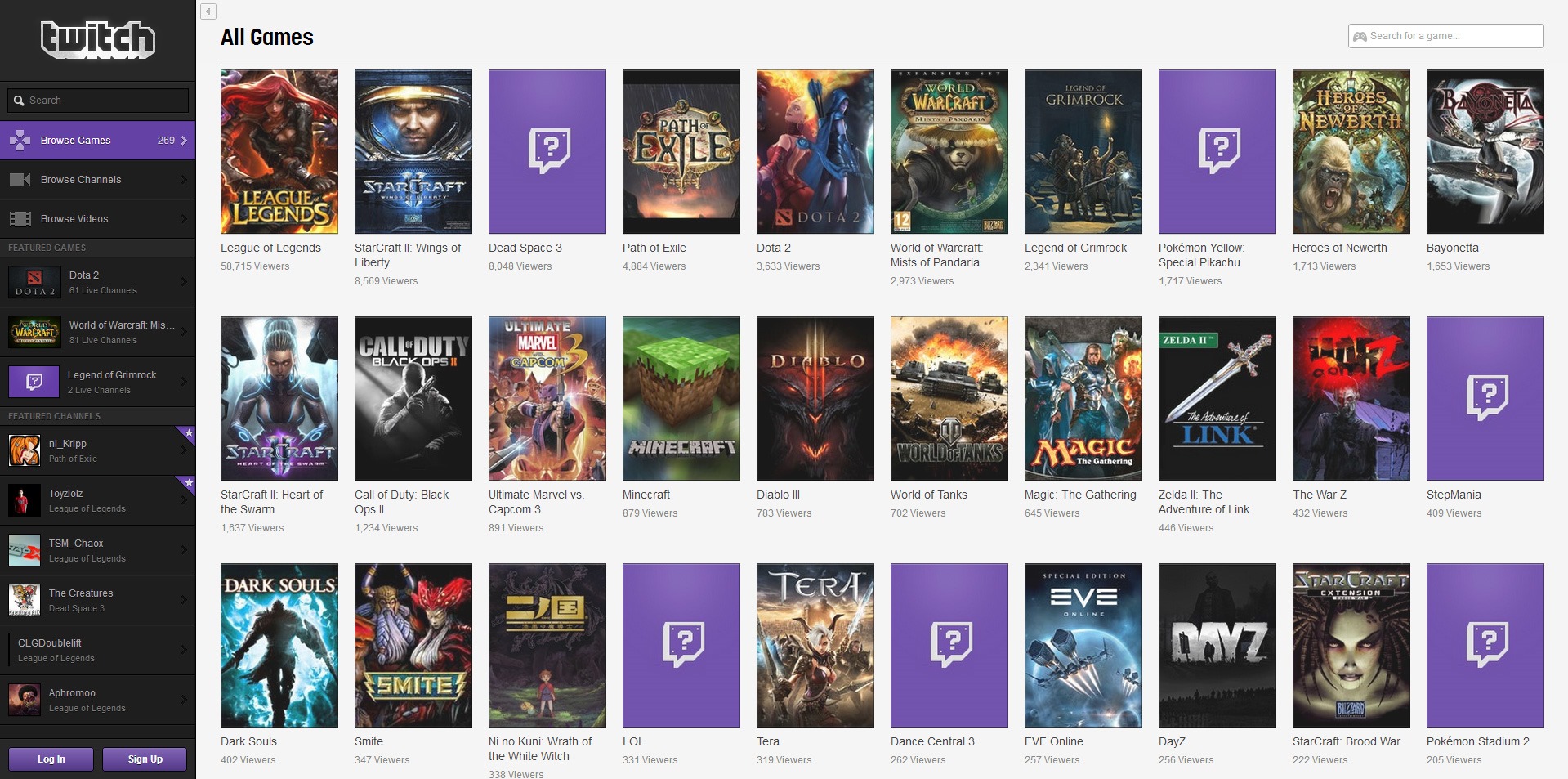
To save clips easily, you can use the Twitch highlight feature. Simply navigate to the clip you want to save, and use programs available on the internet or installable software that focuses in recording Twitch clips. Many of these tools allow for automatic downloads, which can be a huge time-saver if you're looking to archive multiple clips in a single action. Make sure to choose premium options to ensure visual and audio integrity during the download process.
Once you have your content, the next step is effective archiving. Organize your downloaded files into directories categorized by date, type of stream, or game to allow for easy access in the future. Consider using online storage for long-term preservation, which also lets you to access your content from multiple locations. Remember to be aware of and comply with any legal issues regarding your downloaded content to make sure you're following fair use guidelines.
Setting Up a Top-notch Video Setup
Setting up a top-notch video environment is essential for ensuring high-quality Twitch content. Begin by selecting a calm area with little background noise. Think about using soundproofing materials like acoustic foam or sound-dampening curtains to reduce sound and minimize echo. This will improve the sound quality of your broadcasts and recordings, providing them pleasurable for the audience.
Afterward, acquire premium recording equipment. A good microphone can significantly improve the fidelity of your voice, while a reliable camera will enhance video quality. Depending on your setup, use a capture card if you intend on recording from a console. Additionally, ensure your computer has sufficient CPU power and RAM to support the software you choose you select. This will avoid lag and ensure smooth performance both during and following your streams.
In conclusion, consider lighting and composition. Sufficient lighting helps to showcase your gaming setup and makes your face presentable on camera. Employ diffused lights to prevent strong shadows. When placing your camera, find the best angle that captures your gameplay and your expressions free from interference in the backdrop. Integrating these elements will create a visually and audibly engaging experience for your viewers, enhancing your general Twitch broadcasting success.
Legal Considerations for Content Retention
When preserving Twitch material, it is crucial to comprehend the legal framework that oversees the recording of videos and dissemination. The first aspect to consider is copyright law, which safeguards the rights of creators rights over their unique works. If you are recording or downloading someone else's stream, you may need explicit permission from the streamer to use their content, particularly if you plan to distribute it or profit from it. Without this consent, you could possibly face copyright infringement.
In addition to copyright issues, you should familiarize yourself with Twitch's community guidelines. The platform has specific rules regarding the downloading and repurposing of content on their platform. Any violation of these terms could lead to penalties, including suspension of your account. Always make sure that your approaches of content preservation comply not just with the legal standards but also with the platform's regulations to avoid any unwanted consequences.
Finally, fair use guidelines provide some flexibility for instructional, commentary, or transformative uses of material. However, assessing whether a use qualifies as fair use can be complicated and dependent on context. If you are considering using captured Twitch streams for uses other than private backup, such as creating compilations, it is prudent to seek legal advice to understand these considerations thoroughly. Establishing StreamRecorder application around what you can and cannot do with recorded material is vital for successful retention and utilization.
Approaches for Extended Archiving and Management
To ensure your Twitch streams is preserved properly, it's crucial to develop a solid storage approach. Start by classifying your recordings based on content types, such as streams, VODs, short clips, and best moments. Set up separate folders for each type, and contemplate using a naming scheme that includes the timestamp, game title, and type of content for simple identification. This structure eases to locate particular content in the future and keeps your collection clutter-free.
Putting resources in dependable online storage solutions can improve your extended storage solution. Platforms like OneDrive, Dropbox, and Backblaze offer scalable storage solutions that can increase with your uploads. Explore leveraging backup options by maintaining both local (external hard drives) and online backups. This hybrid method ensures that in case of hardware failures or failure, your Twitch content are secure and retrievable.
Lastly, consider establishing a routine to evaluate and organize your saved data periodically. This assists in removing any unnecessary data and optimizing available space. Contemplate adopting a tiered method where you store low-traffic files in budget-friendly options while maintaining high-traffic files easily accessible. By upholding an structured method and continuously handling your storage, you can ensure your Twitch videos remains viable for an extended period to follow.